THE ARAVALLIS
A Call to Protect India’s Green Shield
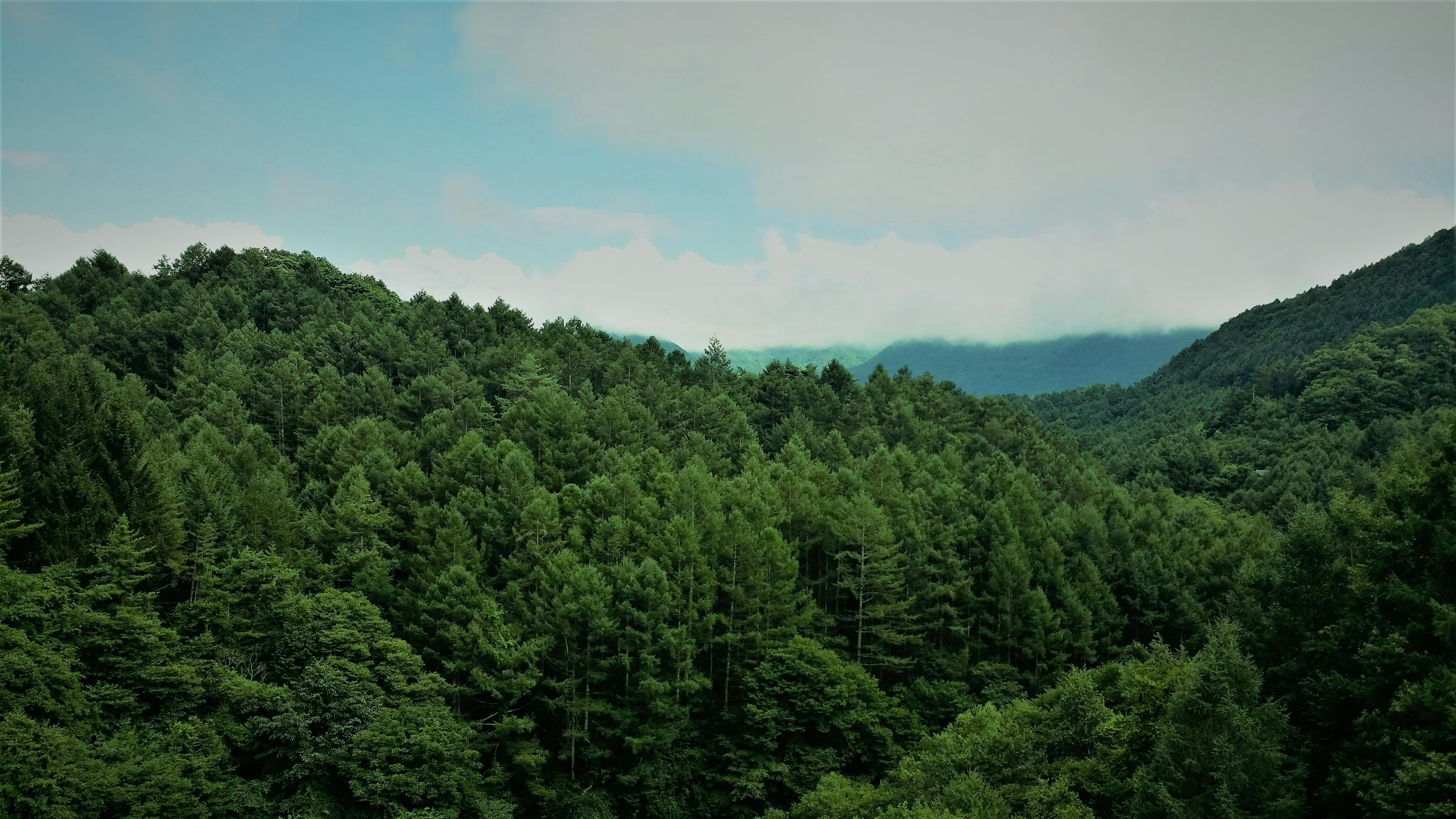
In late November 2025, the Supreme Court of India delivered a highly controversial verdict redefining what legally constitutes the Aravalli Hills — a mountain range often called the *“green lungs of North India.” This judgment, which accepted a new uniform definition based on elevation, risks devastating consequences for ecology, water security, and the health of millions. It is a verdict that must be changed.
Historically, the Aravalli range — running through Rajasthan, Haryana, Delhi, and Gujarat — has played a vital ecological role. The hills filter dust and pollution, slow down the advance of the Thar Desert, regulate local climates, support biodiversity, and recharge groundwater essential for farming and drinking water across North India.
However, in its recent decision, the Supreme Court accepted the Centre’s proposal to classify as “Aravalli Hills” only those landforms rising 100 metres or more above the surrounding terrain and forming connected ranges under specific criteria. While the Court directed that no new mining leases be issued until a sustainable mining plan is ready, this new definition — limited purely by elevation — could exclude more than 90 % of the actual Aravalli landscape from legal protection, because most of the hills and slopes are below this arbitrary height threshold.
This is not a minor technicality — it’s a catastrophic weakening of protection. The hills that fall below the 100-metre mark are not insignificant bumps; they are critical ecological buffers. These lower ridges and scrublands trap dust, absorb heat, regulate rainfall patterns, support wildlife, and — most importantly — are the first line of defence against desertification and water depletion.
Experts have warned that excluding these areas from the protected Aravalli definition could open them to mining, construction, and deforestation, accelerating environmental degradation and making regions like Delhi-NCR — already struggling with poor air quality — even more vulnerable. This is not hyperbole: environmentalists have described the risk as potentially irreversible damage to soil, forests, water cycles, and biodiversity.
I strongly believe this verdict is a step backward. Defining the Aravallis only by elevation ignores scientific, ecological and historical realities of how landscapes function. The purpose of law must not be to shrink protections where they are needed most, but to safeguard vulnerable ecosystems, even when they don’t fit convenient numerical thresholds. Nature does not operate in straight lines of height; it exists in gradients, interconnections, and fragile balances.
We cannot gamble away the Aravalli range with an arbitrary number. This verdict must be reviewed, debated openly with environmental scientists, and rewritten to include all ecologically significant landforms — not just the tall hills. India’s future depends on such green shields remaining intact. If we fail here, we risk ticking off another factor in the long list of ecological crises — from worsening air quality and water scarcity to more frequent heatwaves and droughts.
The Supreme Court’s intent may have been to bring uniformity, but uniformity cannot come at the cost of environmental collapse. It is time to rethink, revise, and restore protections for the Aravalli Hills — not redefine a legacy mountain range out of existence.