The Alarming Air Quality in India
Toxic air and the race to breathe clean
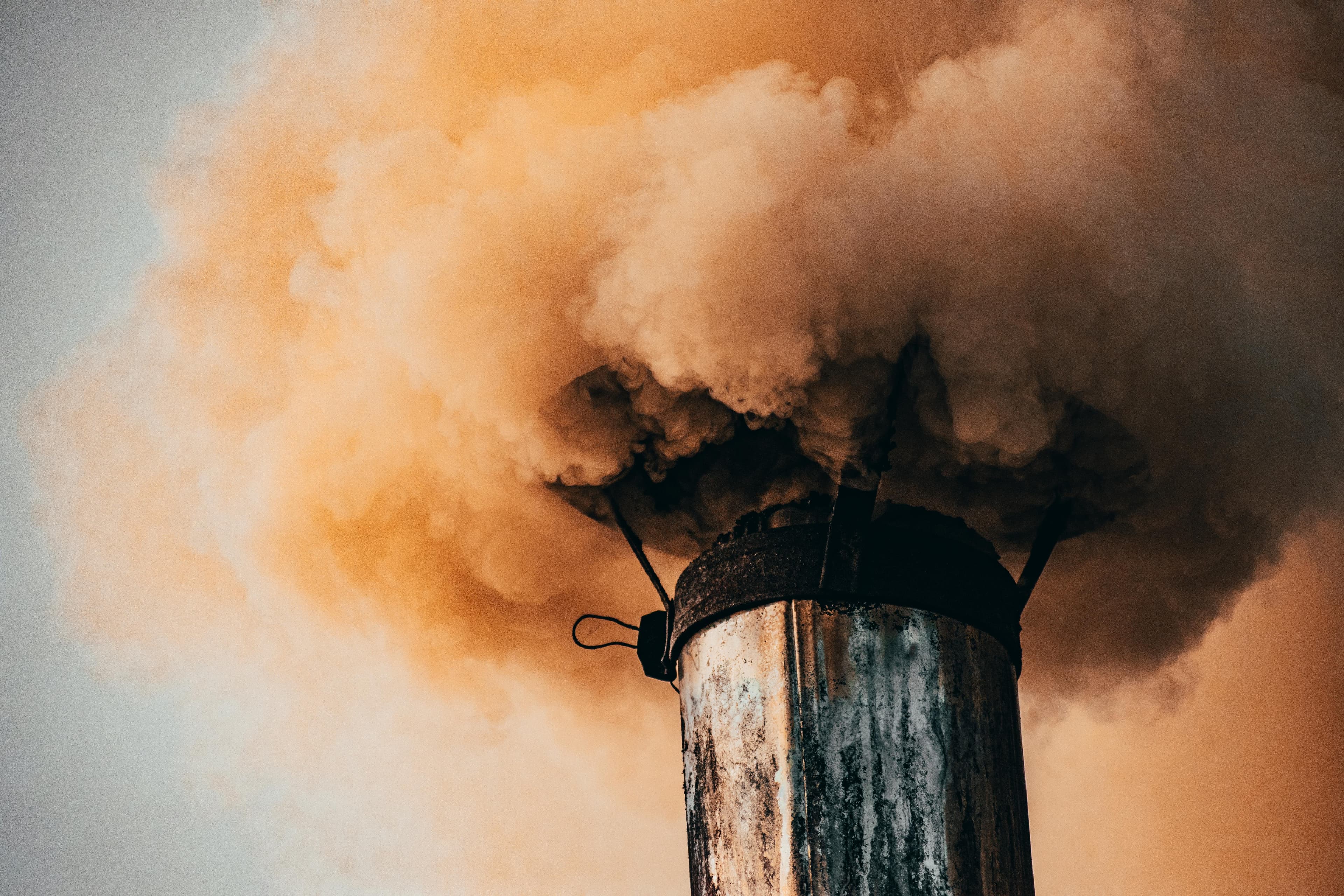
India is home to diverse landscapes and cultures, but in recent years, it has also become home to some of the world’s most polluted cities. From Delhi to Kanpur and Lucknow to Gurugram, air pollution levels frequently cross the “severe” category, posing grave risks to public health and the environment. According to the World Air Quality Report, several Indian cities consistently rank among the most polluted globally, highlighting the urgent need for comprehensive and sustained action.
Understanding the Problem
The major contributors to India’s poor air quality include vehicle emissions, industrial pollution, construction dust, crop residue burning, and the use of solid fuels for cooking. During winter, the situation worsens in northern India due to temperature inversion and stagnant wind patterns that trap pollutants close to the ground. The widespread burning of stubble in Punjab and Haryana further exacerbates the smog, creating an almost toxic haze across the Indo-Gangetic plains.
Adding to this, rapid urbanization and unchecked construction activities release enormous amounts of dust and particulate matter (PM2.5 and PM10) into the air. Vehicular pollution has also grown exponentially with the increase in private vehicle ownership, while outdated engines and poor fuel quality add to the crisis. Industrial units, particularly those operating with inadequate pollution control measures, are another major culprit.
Impact on Health and Environment
The health impacts of air pollution in India are severe. Long-term exposure leads to respiratory diseases such as asthma, bronchitis, and chronic obstructive pulmonary disease (COPD), and increases the risk of heart attacks, strokes, and even premature deaths. Children and the elderly are particularly vulnerable. The World Health Organization (WHO) estimates that millions of deaths each year in India are linked to air pollution-related illnesses.
The environment, too, bears the burden. Polluted air damages crops, affects soil fertility, and contributes to acid rain. Moreover, the carbon and methane emissions tied to poor air quality accelerate climate change, leading to more extreme weather events and ecological imbalance.
What Can Be Done to Improve Air Quality?
1. Strict Enforcement of Emission Norms: Industries and vehicles must adhere to stringent emission standards. Transitioning to cleaner fuels and adopting electric mobility can significantly reduce emissions.
2. Control of Crop Burning: Farmers should be incentivized to adopt alternative methods of managing crop residue, such as composting or using specialized machines like the Happy Seeder.
3. Promotion of Renewable Energy: Reducing dependence on coal-based power plants and investing in solar, wind, and other clean energy sources is crucial.
4. Urban Green Spaces: Increasing green cover in cities through tree plantations and green belts can help absorb pollutants and improve air quality.
5. Public Awareness and Behavior Change: Citizens can contribute by reducing car use, avoiding open burning, conserving energy, and supporting eco-friendly practices.
6. Better Air Quality Monitoring: Expanding real-time monitoring and data transparency will help policymakers and the public make informed decisions.
Conclusion
The air we breathe is fundamental to life, yet it is being poisoned by our own activities. The challenge of improving air quality in India is enormous, but not insurmountable. With strong political will, technological advancement, and collective responsibility, we can restore cleaner skies and ensure a healthier future for generations to come. The time to act is now — because every breath counts.