Hayli Gubbi Volcano Erupts After 12,000 Years
A Fiery Reminder From the Earth’s Deep Past
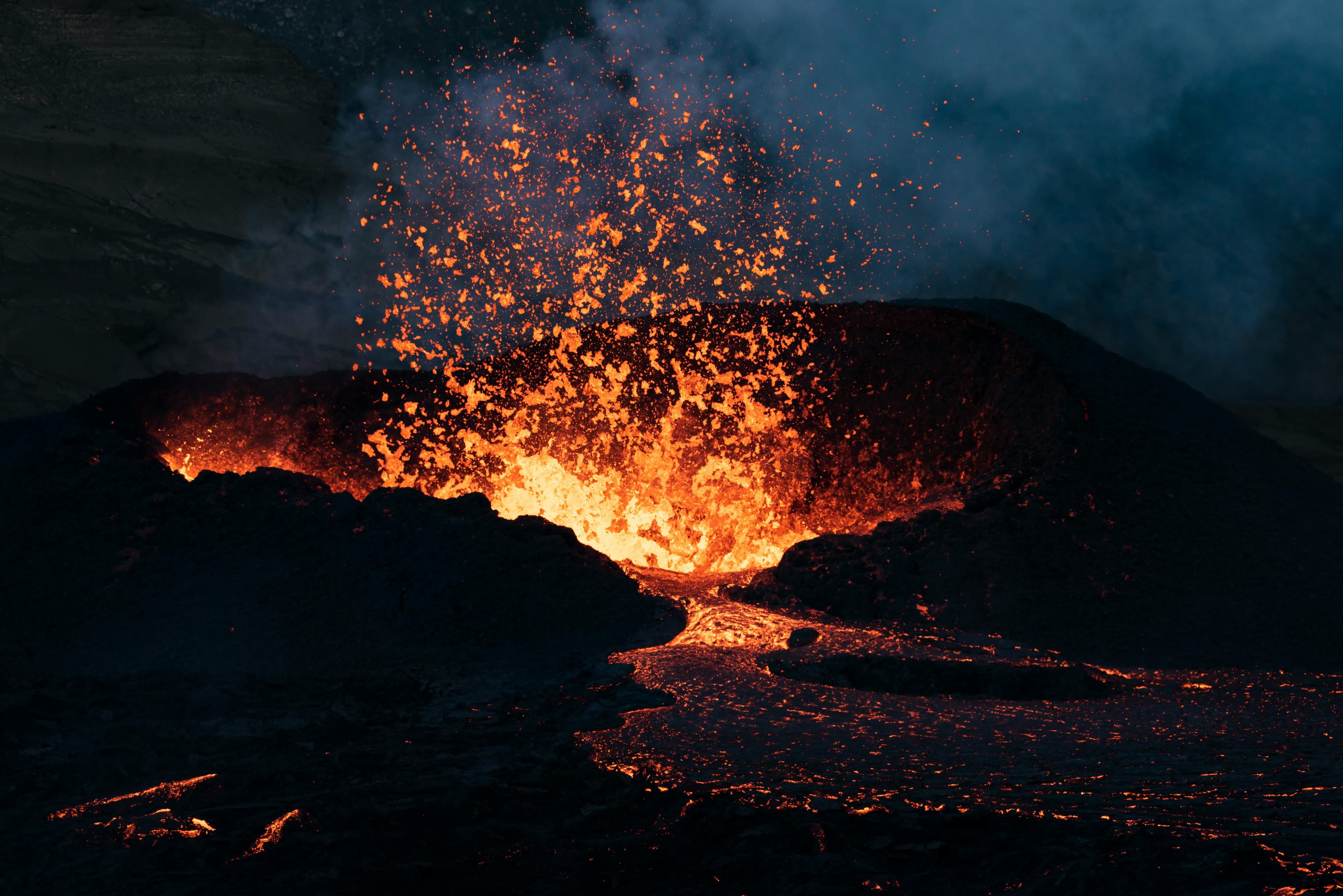
There are moments when nature reminds us that even the quietest corners of our planet hold incredible power. The recent eruption of Ethiopia’s Hayli Gubbi volcano is one such moment — a dramatic awakening after nearly 12,000 years of silence.
Sitting in the remote and rugged Afar region, Hayli Gubbi has always been a part of the ancient landscape but rarely a part of conversation. It is overshadowed by the more famous Erta Ale and other volcanic giants. But in late November 2025, this forgotten volcano made the world pause. What was once just a silent shield in the desert suddenly transformed into a roaring force of nature.
The eruption began with a massive boom — a sound powerful enough to be heard tens of kilometres away. Imagine standing under a wide African sky, surrounded by barren volcanic plains, when the Earth suddenly breaks its silence. A towering column of ash rushed upward, climbing nearly 15 kilometres into the sky. The plume looked like a giant grey mushroom rising above the golden landscape, visible even from satellites orbiting high above the Earth.
What made this eruption so fascinating is that Hayli Gubbi wasn’t known for recent activity. There were no glowing lava lakes, no frequent tremors, no ominous history to prepare anyone for this. For scientists, it was a reminder that volcanoes don’t always follow our timelines — even long-dormant ones can reawaken when conditions shift deep underground.
The Afar region sits on one of the most geologically active rift zones on the planet. Three tectonic plates — the African, Arabian and Somali — slowly pull away from each other, stretching the land and creating deep fractures. Over thousands of years, magma can accumulate quietly, waiting for the right trigger. With Hayli Gubbi, the trigger finally arrived.
For the local communities, the eruption brought a mix of fear and awe. Some described feeling shockwaves under their feet, while others saw the sky darken with drifting ash. Thankfully, the area around the volcano is sparsely populated, reducing the risk to humans. But the event still became a moment of collective memory for the region — a story people will tell for decades.
Beyond the immediate excitement, eruptions like this are scientifically valuable. They help experts understand how dormant volcanoes behave and how the East African Rift continues to evolve. Each eruption adds a new piece to the geological puzzle of our planet.
But for the rest of us, Hayli Gubbi’s eruption is a breathtaking reminder of Earth’s living, breathing nature. A reminder that beneath the calm deserts, quiet mountains, and still horizons, there are incredible forces at work — ancient, unpredictable, and endlessly powerful.
The Earth has stories older than humanity itself, and sometimes, it tells them in fire and ash. Hayli Gubbi just told one of its stories again, after nearly twelve millennia.