Elon Musk vs Donald Trump
A Billionaire Feud with Global Ripples
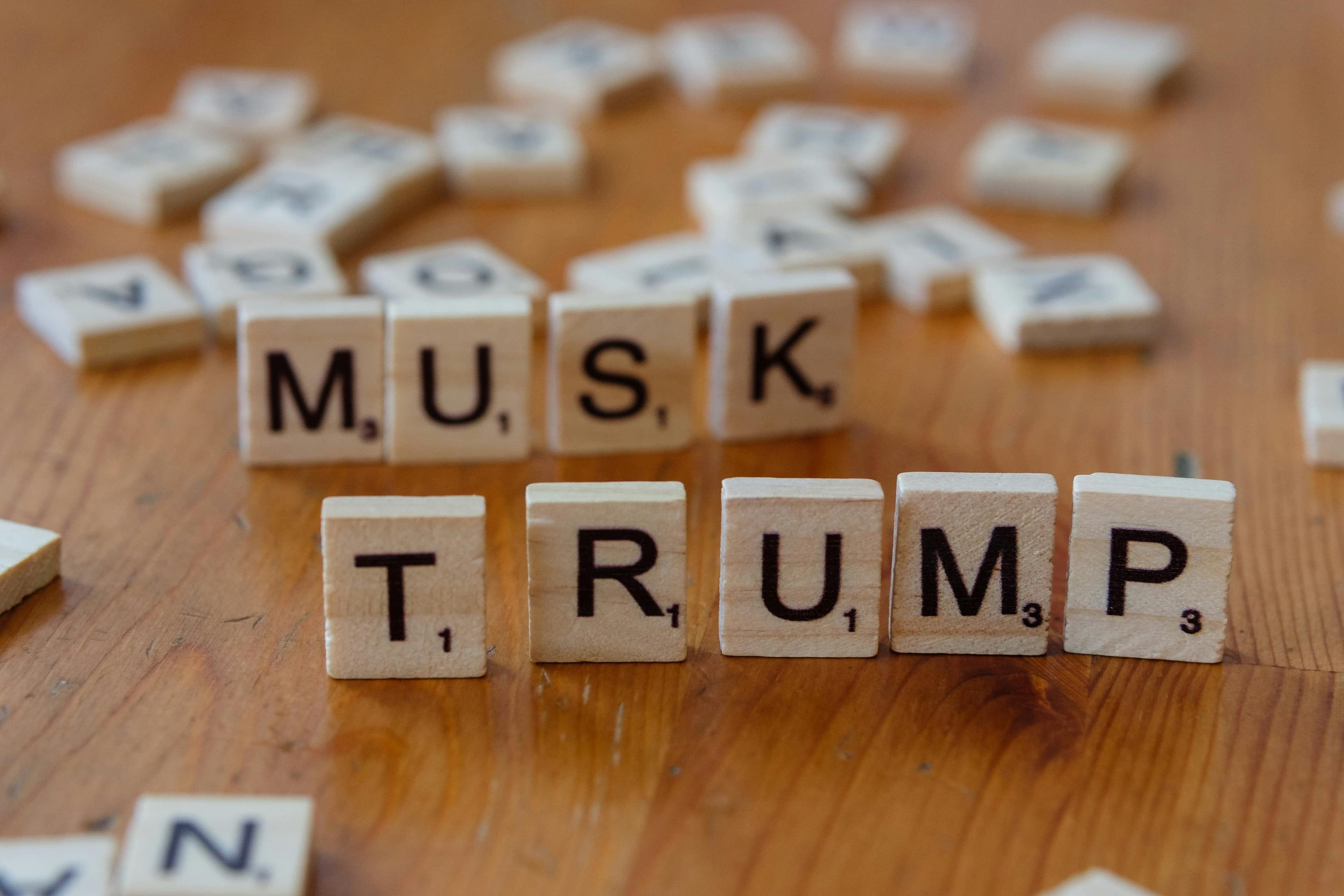
When two of the most powerful men in the world—Elon Musk and Donald Trump—lock horns, the clash doesn’t just stay in headlines; it sends shockwaves across politics, business, and even pop culture. What began as veiled jabs has escalated into a full-blown feud, revealing deep ideological divides and raising questions about the future of free speech, tech regulation, and America’s political landscape.
The feud reignited when Trump publicly criticised Musk, calling him “another con artist” and mocking his wavering political stances. Musk fired back in classic Musk style- through sharp, sometimes cryptic tweets, labelling Trump as outdated and suggesting the former President should “sail into the sunset.” While it might seem like mere posturing, this rivalry isn’t just about ego. It’s a war of influence.
Trump, still a heavyweight in Republican politics, has his eyes set on a return to the White House. Musk, on the other hand, champions libertarian ideals and has transformed X (formerly Twitter) into a battleground for “free speech absolutism.” As he opens the platform to controversial voices once banned, including Trump himself- the tension grows. Musk claims to support open dialogue, but critics argue that this approach dangerously amplifies extremism. Meanwhile, Trump’s return to X remains carefully calculated—he hasn’t posted yet, likely wary of empowering a rival he neither trusts nor respects.
What’s at stake here? Well! A lot.
This feud could influence the 2024 U.S. elections. Musk’s sway over tech-savvy younger voters and disillusioned centrists can’t be underestimated. Trump’s campaign, meanwhile, could suffer if Musk distances his platforms and companies from the Trump brand, especially when social media plays a key role in mobilisation and narrative-building.
Business-wise, the animosity may ripple into regulatory realms. A Trump presidency might take a harsher stance on Tesla’s subsidies or SpaceX contracts, while Musk’s growing media clout could shape public perception against Trump policies.
Business-wise, the animosity may ripple into regulatory realms. A Trump presidency might take a harsher stance on Tesla’s subsidies or SpaceX contracts, while Musk’s growing media clout could shape public perception against Trump policies.
In my personal opinion, while it's understandable that personal feuds may exist, the responsibility lies more with Donald Trump to conduct himself with greater gravity. As the president of a major global power, his actions carry significant weight and influence. His frequent posts on Twitter and other social media platforms reflect a level of immaturity that is unbecoming of someone holding such a high-ranking and influential position.
In the end, this isn’t just a personal spat—it’s a glimpse into the volatile mix of tech, politics, and power in the 21st century. And the world is watching.